Brand Identity Lives in the Real World
Brand identity is not defined by intention or language, but by how consistently a brand shows up in the real world.
Date
Category

For a long time, brand identity was something that lived safely on paper. It was defined in strategy sessions, refined in workshops, and documented in decks until every word felt aligned and precise.
Sometimes it still is.
But increasingly, brands reach a point where something feels off. The language exists. The intention is there. And yet the brand itself does not quite register. It has to be explained. It needs context. It requires justification.
Customers rarely need that.
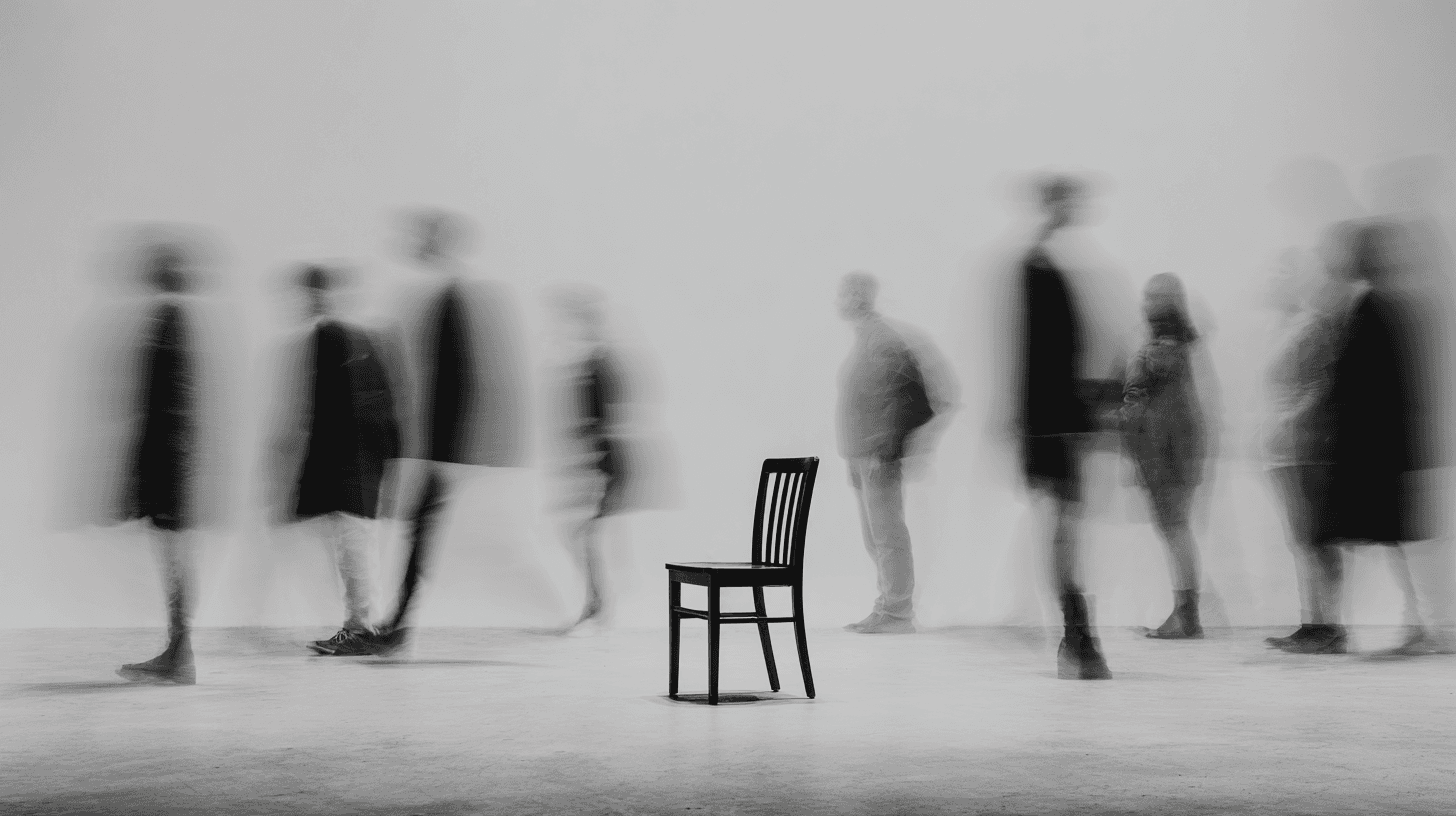
They experience brands in real time, through product, service, space, and choice. They know almost instantly when something feels considered, and just as quickly when it does not. Brand identity is not what a team agrees on in a room, or what a founder holds in their head. It is what customers connect with when they encounter the brand in the real world.
That gap between intention and experience is where many brands begin to drift.
Building Rennaï brought this into sharp focus. There was excitement in creating something new, but also real uncertainty. Would people believe in it? Would they understand it? Would it feel credible alongside much more established names?
Rennaï was shaped by a legend story that touched every part of the brand in an emotional way. When people heard it, they understood immediately how the brand was meant to feel. That shared understanding mattered, especially when decisions became difficult.
And they did.
From Intention to Choice
Budget and time were constant constraints. We were designing while we were building, launching in a new environment, and positioning ourselves next to some of the most prestigious beauty brands in the world. Strategy stopped being theoretical very quickly.
Not every idea could be realised. Not every ambition could be executed at once. In those moments, the temptation is to compromise across the board and hope the whole still holds together.
Instead, we learned to pull back.
If something could not be done well, we either found another way to achieve the same feeling, or we chose not to do it yet. That restraint was not about limitation. It was about consistency.
Over time, it became clear that brand identity is shaped less by what you add and more by what you are willing to leave out.
How Identity Becomes Felt
Customers do not experience brands through statements or positioning language. They experience them through patterns.
They feel it in how calm or busy a space is.
In whether the assortment feels intentional or crowded.
In how service unfolds, and how much time they are given.
In whether everything seems to belong together.
At Rennaï, one of the most important elements of the environment was the ceiling. It was designed to convey fluidity and movement, and to create a sense of calm the moment someone entered the space. It was not an obvious choice, and it required commitment, but it set the tone for everything else.
Most customers could not explain why the space felt different. They just knew it did.
That is how brand identity works when it is executed well. People may never see the thinking behind the details, but they feel when those details are aligned. When they are not, even the best strategy begins to feel fragile.
The Role of Clarity
For new founders, this is often the hardest part. There is fear in committing too early, in choosing the wrong thing, in closing off options.
For established brands, the challenge is different. Layers of decisions accumulate over time, each one reasonable on its own, until the original clarity becomes harder to see.
In both cases, the answer is the same.
Mistakes are part of the process. Drift does not have to be.
When a brand has a clear emotional spine, it can evolve, experiment, and learn without losing itself. Decisions become easier. Corrections feel purposeful rather than reactive.
Where Brand Identity Actually Lives
Brand identity is not what a brand says it stands for. It is what it consistently delivers when strategy meets reality.
When intention and execution align, the customer does not need an explanation. The experience simply feels right.
That is where brand identity lives. Not in theory, but in the real world.
Thoughts, ideas, and perspectives on design, simplicity, and creative process.