When the Medspa Comes Home & the Conversation Changes
As the stigma around medspa culture declines, its influence is moving into the home - reshaping how consumers think about beauty, maintenance, and choice. This shift creates new expectations for brands, credibility, and performance.
Date
Category
For a long time, medspa and surgical treatments lived in a quiet, almost elusive space. They were present and widely used, but rarely discussed openly. Results were admired, while the process itself was often downplayed or denied.
That stigma has been fading quickly.
Today, conversations around Botox, injectables and even facelifts are far more direct. Public figures speak openly about the choices they make. Media coverage has become less judgmental and more matter-of-fact. For many consumers, neuromodulators like Botox, Dysport and Xeomin are no longer viewed as extreme interventions. They are increasingly seen as routine maintenance, closer to hair colour or dental work than cosmetic surgery.
This growing openness is directly connected to what we are now seeing in beauty: the migration of medspa culture into the home.
From Secrecy to Sophistication
Consumers are more informed than ever before. They are more confident asking questions and more willing to explore options that once felt intimidating or inaccessible. Treatments that were previously whispered about are now explained, reviewed and compared openly across social platforms and mainstream media.
That transparency has reshaped expectations. If professional treatments are no longer taboo, neither are the concepts behind them. Ingredients, devices and routines inspired by in-office procedures feel less clinical or gimmicky and more practical. They offer a way to participate in results-driven care without committing to a treatment chair.
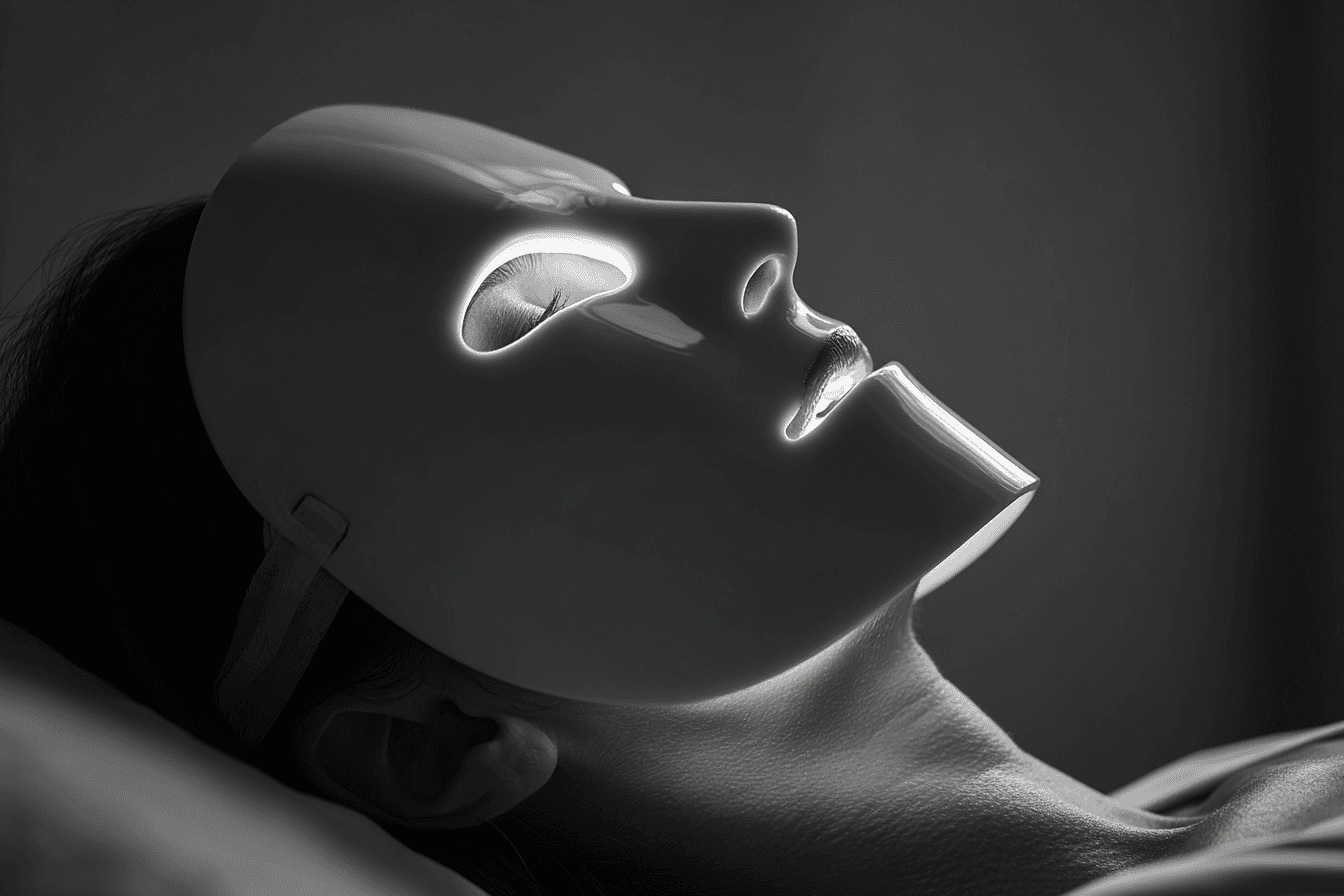
At-home LED devices, peptide-rich serums and injectable-inspired skincare are not positioned as replacements for medspa procedures. Instead, they act as supplements, helping to extend results, support professional care, or move one step closer to visible outcomes in everyday routines.
Why This Cultural Shift Matters
What is changing is not just product innovation, but mindset.
Consumers no longer see a sharp divide between “natural” beauty and “aesthetic” beauty. Instead, they see a spectrum of options and feel empowered to choose where they sit on it. That flexibility has made the category feel more inclusive, less judgmental and more personalised.
As Botox becomes table stakes for some demographics, the question shifts from whether to engage to how. How often? At what level? And with what support at home?
This is where beauty brands step in.
The Opportunity for Brands
The fall of stigma creates space for smarter brand behaviour.
Rather than exaggerating clinical language or overpromising results, the most credible brands position themselves as partners in informed choice. They help consumers understand what products can realistically do, how they fit into a broader routine, and how they complement rather than compete with professional care.
Education becomes a trust builder. Transparency becomes a differentiator. Performance, clearly explained, becomes part of brand value.
This shift also reframes luxury. Prestige is no longer defined by secrecy or exclusivity alone. It is about confidence, control and clarity. Consumers want products that work, feel modern, and align with how openly they now talk about beauty decisions.
A New Normal
Medspa treatments coming home is not simply a trend driven by devices or viral products. It is the natural outcome of a broader cultural shift. Beauty has become more honest, more informed and less defensive than it once was.
The medspa has not lost its relevance. It has lost its mystique, and that is a good thing.
For brands, the task now is to meet this moment with intelligence and respect. Those that do will feel current, credible and aligned with how consumers actually live. Those that do not risk falling out of step with a category that has quietly moved on.
Thoughts, ideas, and perspectives on design, simplicity, and creative process.